
When Private Label Projects Go Wrong
For many brands, launching a private label essential oil product seems straightforward at first—choose a scent, design packaging, and start selling. But once production begins, problems quickly surface. Fragrance inconsistency between batches, unstable supply timelines, and poor compatibility with products like diffusers or candles can disrupt the entire plan.
What makes the difference is not the product itself, but the system behind it. At CNUS, we approach private label essential oil projects through controlled formulation, standardized production, and scalable OEM processes. Instead of treating each order as a transaction, we build a production framework that ensures consistency from the first sample to bulk delivery.
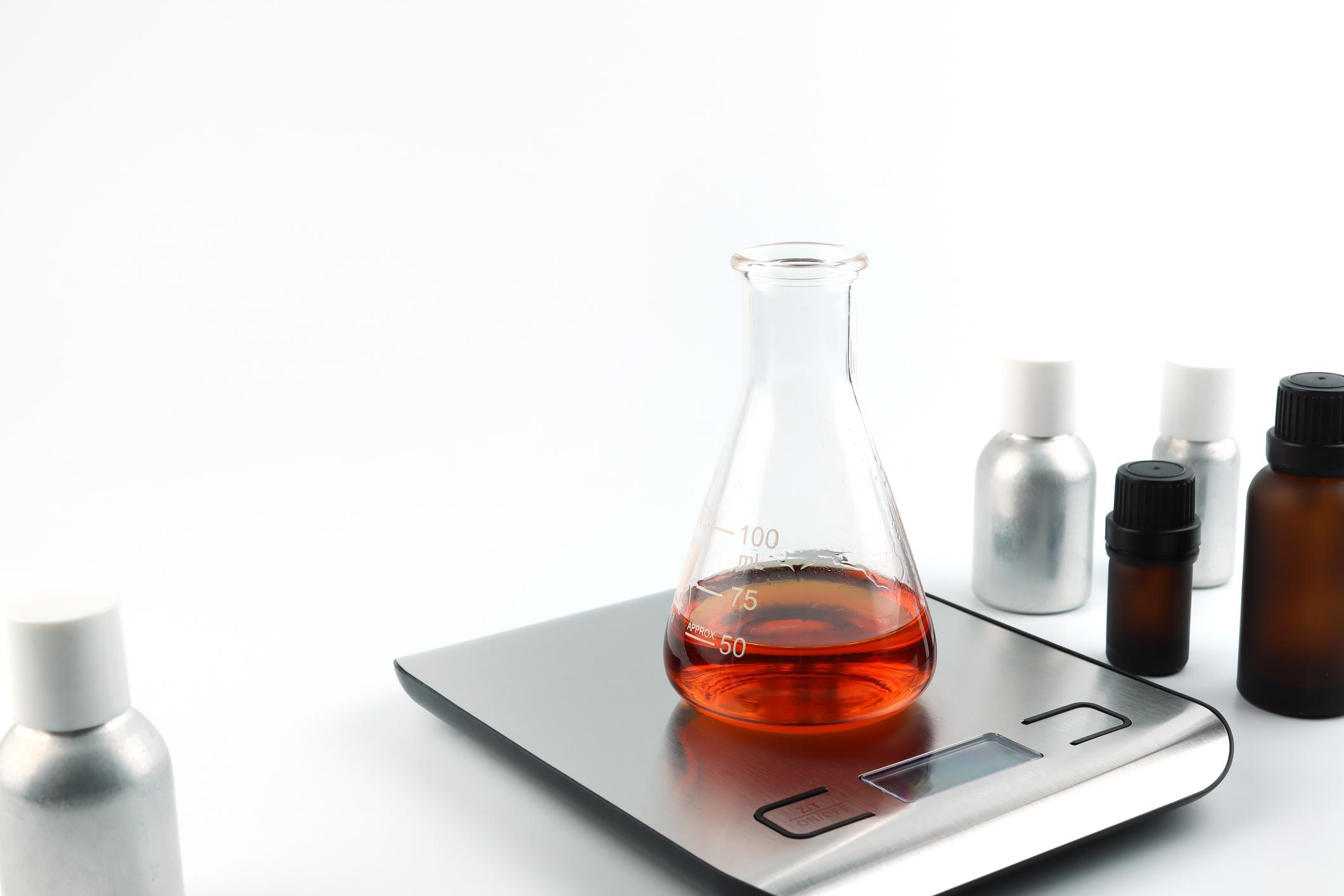
Materials, Formulation, and Industrial Precision Behind Essential Oils
Before discussing OEM processes, it’s important to understand what determines product performance. Essential oils and fragrance oils behave differently depending on their raw materials, formulation ratios, and industrial processing methods.
High-quality production depends on:
- Controlled sourcing of botanical or fragrance raw materials
- Stable formulation ratios to maintain scent consistency
- Compatibility with end-use applications (heat, diffusion, chemical exposure)
According to International Fragrance Association, formulation stability and compliance are key factors that influence both safety and long-term product performance. This is why professional manufacturers rely on standardized blending systems and controlled environments rather than manual mixing.
Why Experienced OEM Partners Make the Difference
Many suppliers can provide essential oils, but only a few can support a full private label essential oil process. The difference lies in experience, systemization, and production depth.
At CNUS, OEM projects are built around:
- In-house fragrance development and testing
- Standardized batch production to ensure repeatability
- Flexible MOQ to support both testing and scaling
- Integrated packaging and branding solutions
This level of experience reduces risk at every stage—from formulation to delivery—and allows brands to focus on market growth instead of production issues.
How the Private Label Essential Oil Process Actually Works
Project Definition and Application Matching
Every OEM project starts with a clear understanding of application. Oils used in diffusers, candles, or commercial scent systems require different formulation strategies. Defining this early avoids performance issues later.
Sample Development and Adjustment
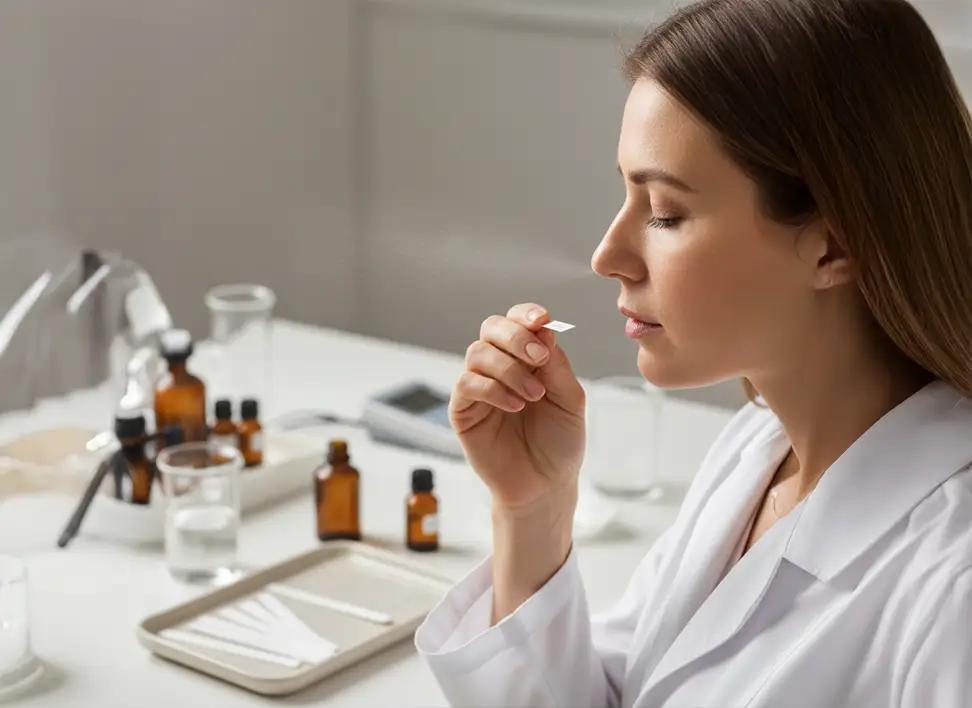
Initial samples are created and tested under real conditions. This step often involves adjusting concentration, volatility, and scent profile until the desired performance is achieved.
Packaging and Brand Integration
Once the formulation is finalized, packaging becomes part of the process. Bottle selection, labeling, and branding must align with both product positioning and logistics requirements.
Production and Quality Control
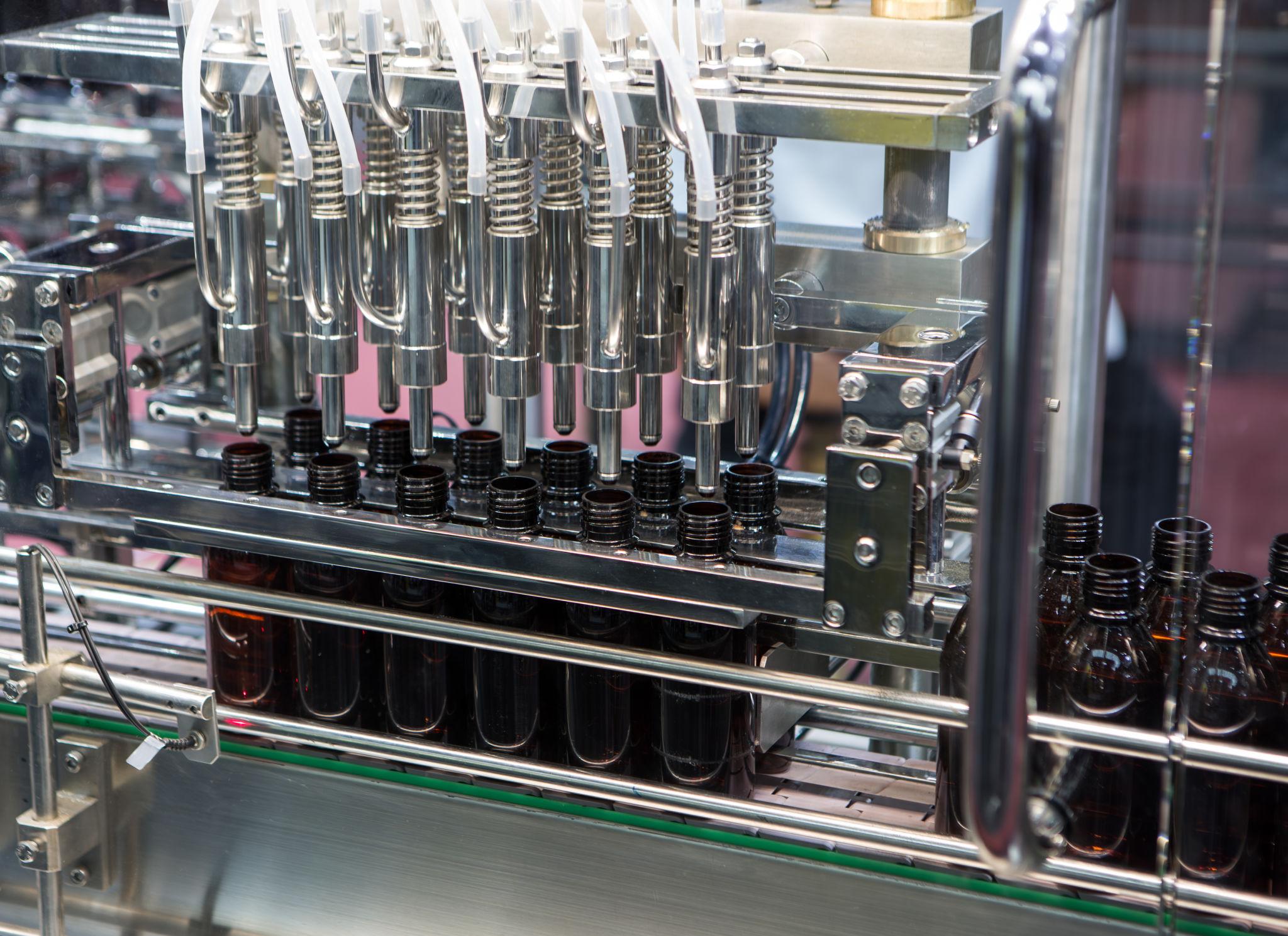
Bulk production is executed under controlled conditions. Batch testing ensures consistency in scent, color, and performance across all units.
Delivery and Supply Stability
Final products are packaged, prepared for export, and shipped according to agreed timelines. Reliable suppliers ensure continuity even as order volumes increase.
Private Label vs Bulk Supply: Choosing the Right Approach
| Factor | Private Label Essential Oil | Bulk Essential Oil |
|---|---|---|
| Customization | Full control | Minimal |
| Branding | Yes | No |
| Lead Time | Longer | Shorter |
| Scalability | High | Moderate |
Private label projects require more time and coordination, but they offer long-term advantages in brand positioning and profit margins.
Where Private Label Essential Oils Are Used
Consumer Products
Retail brands use private label essential oil in home fragrance products such as diffusers and candles, where scent consistency defines customer experience.
Commercial Spaces
Hotels and retail stores rely on consistent scent identity across multiple locations, making stable formulation critical.
Industrial Applications
Manufacturers of air fresheners and cleaning products require large volumes with predictable performance and cost efficiency.
Each of these applications demands a different balance between scent strength, stability, and cost.
A Practical Case: From Sample to Scaled Production
One of our recent projects involved a mid-sized home fragrance brand entering the European market. Their initial challenge was inconsistency—different suppliers produced noticeable variations in scent across batches.
By restructuring the formulation process and implementing batch standardization, we helped them achieve:
- Consistent scent profile across multiple production runs
- Reduced complaint rates from customers
- Faster product rollout due to stable supply
This case highlights a common truth: the success of a private label essential oil project depends less on the product itself and more on the reliability of the manufacturing system behind it.
Questions Buyers Often Ask
What is a realistic MOQ for private label projects
MOQ varies depending on packaging and formulation complexity, but flexible options are often available for initial testing.
How long does the process take
A typical OEM cycle ranges from several weeks for simple projects to a few months for fully customized solutions.
Can fragrance be customized
Yes, most manufacturers can adjust scent profiles based on brand positioning and application needs.
Building a Brand with the Right OEM Foundation
Launching a private label essential oil product is not just about entering the market—it’s about building something that can scale. A reliable OEM partner ensures that quality, supply, and performance remain consistent as your business grows.
To explore available oil types and application options, you can visit our product page for a closer look at current solutions.
If you want to better understand our manufacturing capabilities and OEM experience, we recommend reviewing our about page to see how we approach production and quality control.
For specific project discussions, custom formulation requests, or sample testing, feel free to contact our team. We’ll help you build a private label solution that is not only market-ready, but also scalable and reliable.